Parts and Labor on an Auto Repair Quote: What to Compare
Planning ahead is usually less disruptive than correcting a rushed decision later. A useful estimate identifies parts, diagnostic scope and warranty responsibilities. A few focused questions can expose assumptions about access, labor, maintenance or risk before those assumptions become an expensive surprise.
The first step for auto repair is to understand what is known and what remains uncertain. A written record keeps the discussion focused when different providers offer different conclusions.
A reliable vehicle repair starts with a measured symptom and a testable explanation. Similar noises or dashboard alerts can have different causes, so inspection evidence matters more than a persuasive description of a replacement part.
A useful estimate identifies parts, diagnostic scope and warranty responsibilities. Ask which observation would confirm that explanation and which finding would change it. This is especially important when a product specification, inspection report or estimate is presented without the conditions that led to it.
These checks are intentionally more useful than a generic list of features. For example, a provider should be able to distinguish an observation about part brands from a recommendation that addresses labor operations. If the connection is missing, request clarification before deciding.
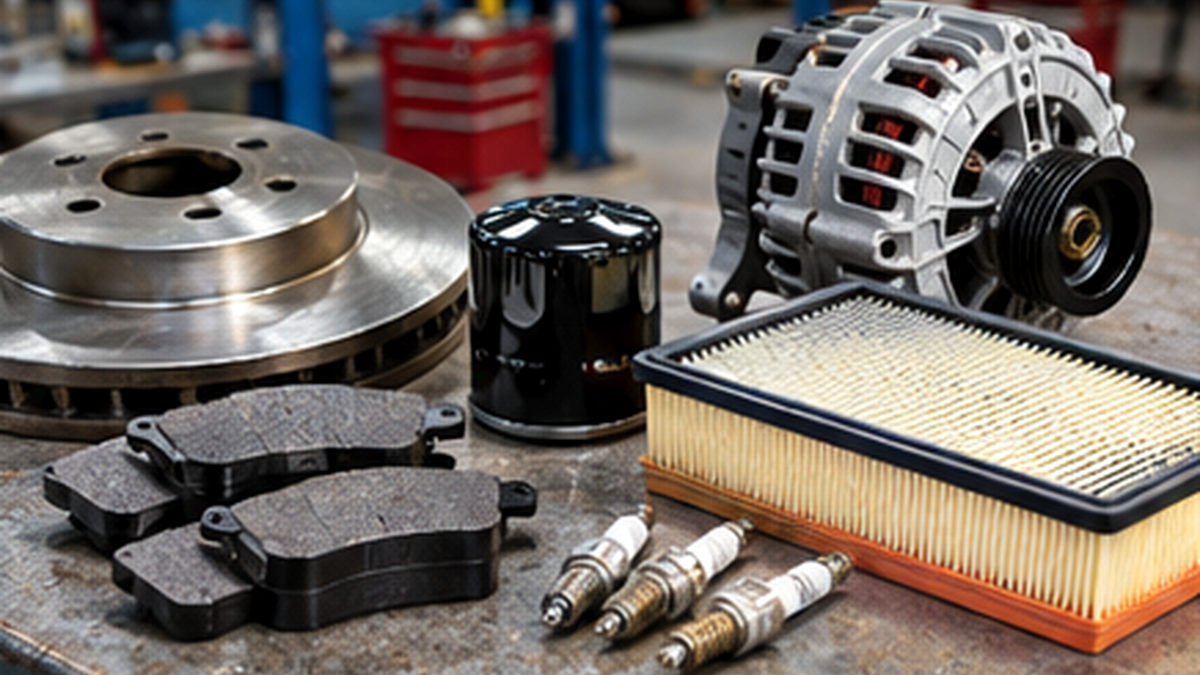
Original equipment versus aftermarket choices with clear fitment. Compare proposals on the same scope, using the same assumptions. Write down what each option includes, excludes and requires from the owner or user. A low figure is not a bargain if essential work, monitoring or follow-up is absent.
Make the comparison at three levels: the immediate task, the consequences of delaying or doing less, and the likely maintenance or follow-up afterward. Any promised outcome should be described in terms that could later be verified. Where a professional assessment is needed, an educational checklist cannot replace it.
A warning worth taking seriously is an invoice that lumps all charges into one vague line. It does not automatically prove that a provider or product is unsuitable, but it means the decision is missing a piece of information. Ask for the missing detail in writing and compare the explanation with the actual condition.
Vehicle diagnosis depends on the manufacturer service information, inspection findings and safe repair practices. Do not treat a single scan code or symptom as proof of a failed component. Distinguish a normal tradeoff from a safety issue: the first may be a matter of budget or preference, while the second should be addressed before work proceeds. For claims about local permits, warranties, eligibility or health effects, check an appropriate professional or primary source.
Request the observation or document relating to part brands and ask how it changes the recommended scope. A concrete answer should explain both the finding and its limitation.
Compare original equipment versus aftermarket choices with clear fitment. Ask whether a lower-cost alternative would resolve the same underlying issue, and whether a more expensive approach offers a measurable benefit.
Discuss an invoice that lumps all charges into one vague line and any uncertainty about hidden conditions, timing or use. Agree on what will be inspected, recorded or revisited if results differ from expectations.
A useful estimate identifies parts, diagnostic scope and warranty responsibilities. The strongest next step is to gather specific evidence, compare a written scope on consistent terms and treat unverified assumptions as open questions—not facts. This approach supports more informed decisions while leaving technical judgments to the qualified people responsible for them.
For background and official guidance, start with NHTSA. Confirm any location-specific rule, safety requirement, eligibility term or product claim before acting. This article is general educational information, not a personalized assessment.